The Ultimate Guide to Implementing PLC Microcontroller in Smart Factory Upgrades
Upgrading factories to be smarter is a big deal today. Many businesses want to use cool technology to make their factories better. One of the best ways to do this is by using PLC microcontrollers. JQD is a company that knows a lot about this. PLC stands for Programmable Logic Controller, and it helps control machines and systems in factories. This article will help you understand why PLC microcontrollers are important for smart factory upgrades and how to choose the right one for your needs.What Are the Key Benefits of PLC Microcontrollers in Smart Factory Upgrades?
PLC microcontrollers bring many benefits to smart factories. First, they make everything run smoother. Imagine a factory where every machine talks to each other, sharing important information. PLCs help machines communicate, which makes production faster and more efficient. For instance, if one machine finishes its job, it can tell the next machine to start right away. This saves time and reduces delays. Another big benefit is that plc microcontroller can be programmed easily. This means if a factory wants to change how a machine works, it can do so quickly without needing to buy new parts. That saves money! Also, PLCs are very reliable. They are built to work in tough environments, like where it's hot or dusty. This means factories can count on them to keep working without many problems. Lastly, PLCs are great for collecting data. They can track how machines are performing and help factory managers make better decisions. With all this information, factories can improve their processes and become even smarter. JQD knows that using PLC microcontrollers is a smart move for any factory looking to upgrade.
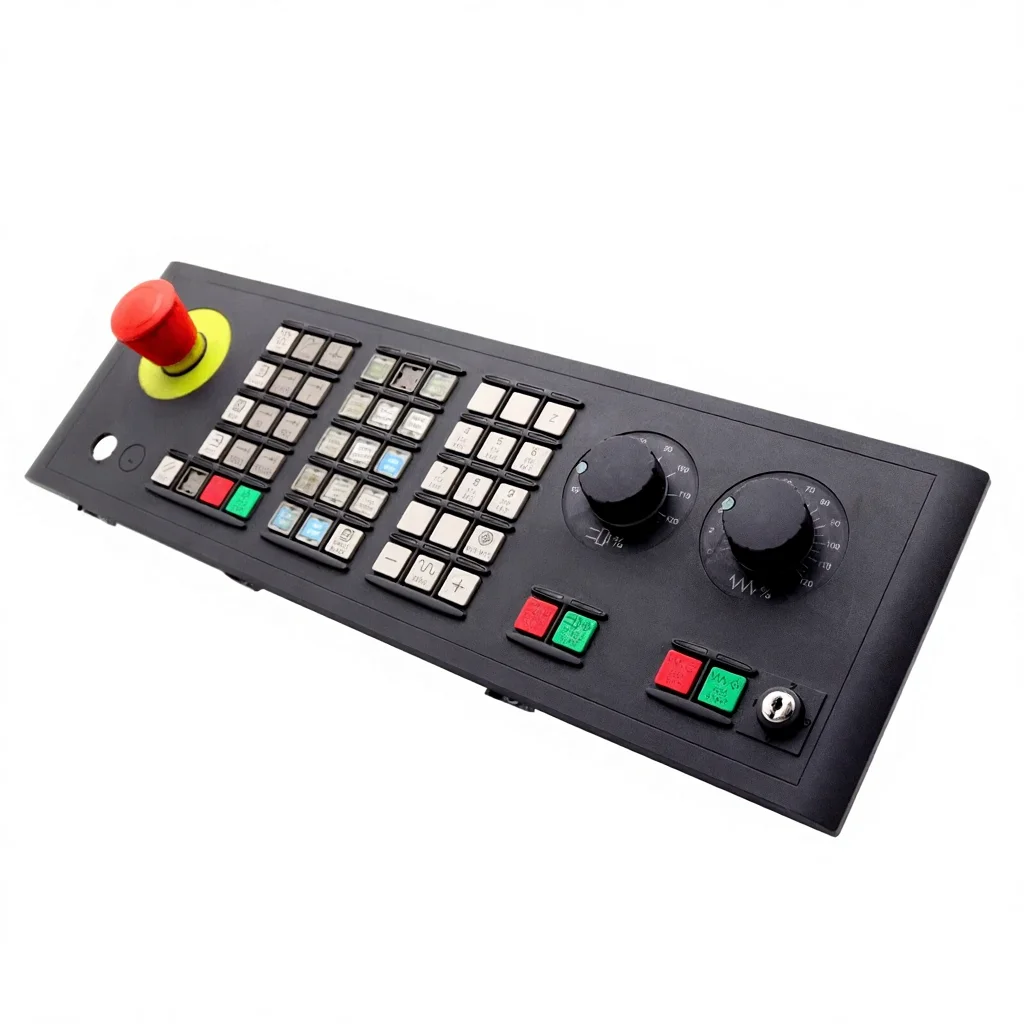
How to Choose the Right PLC Microcontroller for Your Smart Factory Needs
Choosing the right PLC microcontroller for your factory is very important. First, you need to think about what you want to achieve. Do you want to improve efficiency, safety, or reduce costs? Knowing your goals will help you pick the right PLC. For example, if you need a PLC for a large factory with many machines, you might want one that can handle a lot of inputs and outputs. Next, consider the type of machines you have. Some PLCs work better with certain machines. Check if the PLC can connect to your existing equipment. Compatibility is key. You don’t want to buy a PLC that can’t work with what you already have. Another important factor is the size of the PLC. Make sure it fits in the space you have available in your factory. Some PLCs are compact and can fit into small areas, while others may need more room. By thinking about these points, you can choose the right PLC microcontroller for your factory needs. Upgrading to a smart factory is a big step, and having the right tools will help you succeed.
What Common Usage Issues Arise When Implementing PLC Microcontrollers?
When factories decide to use PLC microcontrollers, they often run into some common problems. First, there can be confusion about how to set them up. Many workers may not know how to program these controllers. PLCs need special software and specific knowledge to work correctly. If the workers are not trained well, mistakes can happen, leading to delays in production. Second, plc microcontroller can have issues with communication. Sometimes, they may not connect with other machines or systems in the factory. This lack of connection can cause parts of the factory to stop working together, which is bad for efficiency. For example, if a PLC that controls a conveyor belt cannot communicate with the one that controls the packaging machine, the entire process can be disrupted. Another problem is that some PLCs may not be powerful enough to handle all the tasks needed in a modern smart factory. Factories are now using many different machines and robots, and they need a lot of data to work together well. If a PLC is not strong enough, it can slow things down or even cause errors. JQD understands that choosing the right PLC for your factory is very important. You should look for one that has enough processing power to manage all your equipment. Lastly, there can be issues with maintenance. Regular checks are needed to keep PLCs running well. If a factory does not keep up with maintenance, it can lead to bigger problems later. Workers should regularly check the software and hardware to avoid breakdowns. Overall, it is important to be aware of these common issues to prevent problems when using PLC microcontrollers in smart factories.
How to Ensure Seamless Integration of PLC Microcontrollers in Your Factory
To make sure PLC microcontrollers work well in a factory, careful planning is needed. First, you need to choose the right PLC for your needs. JQD offers a variety of PLCs that can fit different factory sizes and types. When selecting a PLC, consider how many machines you have and what tasks you want to automate. Make sure the PLC can handle those tasks without any issues. Once you have chosen the right PLC, the next step is to train your workers. They need to understand how the PLC works and how to program it. JQD can help by providing training sessions that teach employees the basics of PLC programming and operation. Lastly, gather feedback from your workers after the integration. They can provide valuable insights about how the PLC is working in real life. If there are issues, act quickly to resolve them. This ongoing support and communication will help ensure that the PLC microcontrollers are successfully integrated into your factory and help improve productivity.
How to Troubleshoot Common Issues with PLC Microcontrollers in Smart Factories?
Sometimes, even with careful planning, problems can happen with PLC microcontrollers. If something goes wrong, it’s important to know how to troubleshoot these issues. The first step is to check the power supply. Make sure the plc microcontroller is getting enough power. If it is not, the PLC may not work at all. Turn off the power and then turn it back on again to see if it solves the problem. If the PLC still does not respond, check the connections. Loose or disconnected wires can cause problems. Make sure everything is plugged in correctly and securely. Next, if the PLC is showing error messages, it’s important to look up what those messages mean. Each PLC has a manual that explains different error codes. JQD provides clear manuals that can help you understand what is happening. Once you know the problem, you can take steps to fix it. Sometimes, the issue may be with the program itself. If the program has mistakes, it can cause the PLC to behave unexpectedly. In this case, reviewing the code and fixing any errors can help. Testing the program in a safe environment before running it on the factory floor is a good idea to ensure it works correctly.